
In This Article
Ever felt that annoying blockage in your ear, making everything sound a bit muffled? You're not alone. Earwax, or cerumen, is a natural and important part of your ear's defence system, but sometimes it can build up and cause problems. When that happens, your first thought might be, "How do I get rid of this?" Often, the answer starts with softening the wax at home before a professional can safely remove it. That's where cerumenolytic agents – fancy words for earwax softening drops – come in. We're going to talk about two common ones: mineral oil and saline, and how they stack up against other options.
What's Going On in There? Understanding Earwax and Blockages
Your ears are pretty clever, aren't they? They produce earwax to protect themselves. This sticky substance traps dust, dirt, and other foreign particles, preventing them from reaching deeper into your ear canal. It also has antibacterial and antifungal properties, keeping infections at bay. Think about it this way: it's your ear's natural self-cleaning mechanism. Normally, jaw movements from talking and chewing help the wax migrate out of the ear canal naturally. You can learn more about this fascinating process in our article on /ear-health/what-is-earwax.
However, sometimes this natural process goes a bit awry. Earwax can build up, becoming hard and impacted. This can happen for various reasons: narrow ear canals, excessive wax production, or even using cotton buds (which, honestly, often push wax further in – you can read why in /ear-health/cotton-buds-dangers). When earwax becomes impacted, it can lead to symptoms like hearing loss, earache, tinnitus (ringing in the ears), or a feeling of fullness. This is when you might start looking for solutions, and often, softening drops are the first step.
The Science of Softening: How Cerumenolytic Agents Work
So, how do these drops actually work their magic? Cerumenolytic agents are designed to break down, disperse, or lubricate earwax, making it easier to remove. There are generally two main types: water-based and oil-based.
- Oil-based drops (like mineral oil or olive oil) work by lubricating the earwax, helping it to loosen and gradually move out of the ear canal. They can also penetrate the wax, making it softer and less sticky.
- Water-based drops (like saline or sodium bicarbonate) work by hydrating the wax. They can break down the wax's structure, causing it to swell and then disintegrate, making it easier for the ear's natural mechanisms or a professional to remove.
It's a bit like trying to clean a dried-up stain; sometimes you need to soak it first, don't you? These drops essentially 'soak' the earwax.
Mineral Oil vs. Saline: A Head-to-Head (or Ear-to-Ear) Comparison
When it comes to choosing an earwax softener, you'll find a few options on the chemist's shelf. Let's compare some of the most common ones:
Mineral Oil
Mineral oil is a popular choice for earwax softening. It's an inert, non-irritating oil that works primarily as a lubricant. It helps to soften the wax, allowing it to naturally migrate out or be more easily removed by a clinician. It's generally well-tolerated and has a low risk of irritation.
Saline Solution
Saline, a simple salt-water solution, is another gentle option. It's a water-based agent that works by hydrating and breaking down the earwax. Some studies suggest that saline can be just as effective as other cerumenolytics, particularly for milder impactions. It's very safe and rarely causes irritation.
Olive Oil
Often recommended by healthcare professionals, olive oil is another oil-based option. Like mineral oil, it lubricates and softens the earwax. It's readily available and many people find it effective. You might have heard your GP suggest it, and it's a common first-line treatment.
Sodium Bicarbonate (Baking Soda) Drops
Sodium bicarbonate drops are a water-based cerumenolytic. They work by chemically breaking down the earwax, making it less dense and easier to remove. They can be quite effective, but some people might find them slightly more irritating than oil-based drops, especially if used for prolonged periods. They can also cause the wax to swell initially, which might temporarily worsen hearing.
What the Evidence Says: The Cochrane Review
Honestly, when we're talking about what works best, we look to robust research. The Cochrane Library, a highly respected source for systematic reviews of healthcare interventions, has looked into ear drops for earwax removal. A Cochrane review 1 on ear drops for the removal of ear wax concluded that while ear drops (of any sort) can help to remove ear wax, water and saline drops appear to be as good as other types of drops. The review found no evidence that one type of ear drop is significantly better than another for clearing earwax. This suggests that simple, inexpensive options like saline or plain water can be just as effective as more complex or costly preparations. This is good news, isn't it?
How Do They Differ from Hydrogen Peroxide?
You might also come across ear drops containing hydrogen peroxide or carbamide peroxide. These are different from mineral oil or saline. Hydrogen peroxide works by releasing oxygen when it comes into contact with earwax. This creates a fizzing action that helps to break up and dislodge the wax. While effective, some people find the fizzing sensation a bit strange, and it can sometimes cause mild irritation. It's generally considered safe for short-term use in healthy ears, but it's not the same gentle lubrication or hydration you get from mineral oil or saline.
Using Ear Drops Correctly Before Professional Removal
Using ear drops correctly is key to their effectiveness and your comfort. Here's what I mean:
- Read the Instructions: Always follow the specific instructions on the product packaging. They're there for a reason!
- Warm the Drops (Optional for Oils): If using oil-based drops, you can gently warm the bottle in your hand for a few minutes. This makes the drops more comfortable when they enter your ear.
- Lie Down: Tilt your head to the side, or lie down with the affected ear facing upwards.
- Administer Drops: Gently pull your earlobe upwards and backwards to straighten the ear canal. Administer the recommended number of drops into the ear canal.
- Stay Still: Remain in this position for 5-10 minutes to allow the drops to penetrate the wax.
- Drain Excess: After the recommended time, tilt your head the other way to allow any excess drops to drain out. You can use a tissue to catch them.
- Repeat: Do this 2-3 times a day for several days, as advised by your pharmacist or GP. Consistency is important.
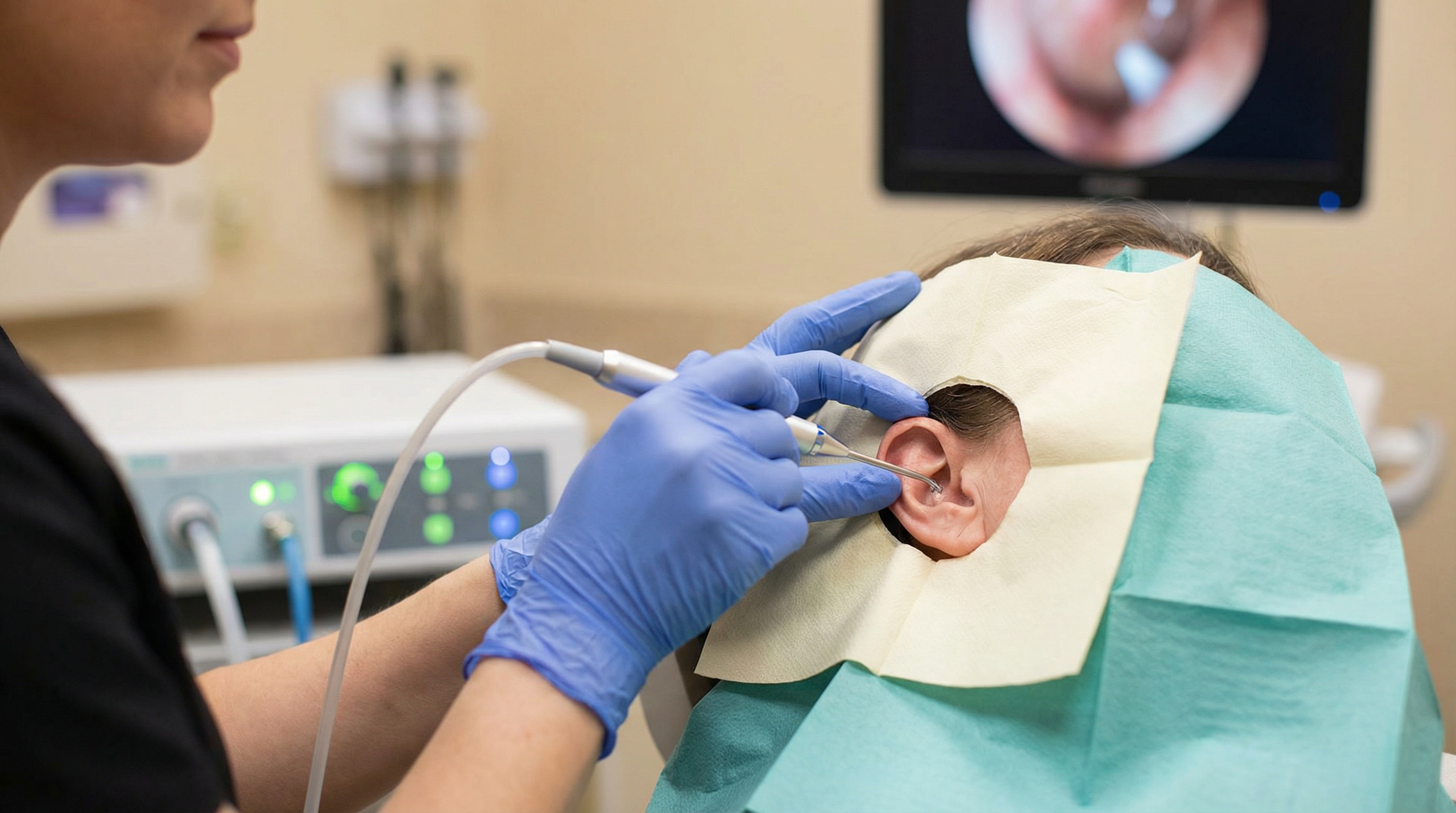
Remember, the goal of these drops is to soften the wax, not to remove it completely. They're preparing your ear for a professional removal, such as /services/microsuction or /services/ear-irrigation.
When Ear Drops Aren't Appropriate: Important Warnings
While ear drops are generally safe, there are specific situations where you absolutely should not use them. Using drops when these conditions are present can cause serious harm or worsen your ear problem. Please, pay close attention to this:
- Perforated Eardrum: If you have a hole or tear in your eardrum, putting drops in can introduce infection into your middle ear, which is really serious. If you suspect a perforation, or have had one in the past, avoid drops.
- History of Ear Surgery: If you've had any ear surgery, especially on the middle ear, consult a doctor before using any ear drops.
- Active Ear Infection: If you have pain, discharge, or any signs of an active ear infection, drops can irritate it further or trap the infection. See a doctor first.
- Ear Pain or Discharge: If you're experiencing ear pain or discharge, it's a sign something else might be going on. Drops might mask the problem or make it worse.
Always err on the side of caution. If you're unsure, or if your symptoms worsen, stop using the drops and seek medical advice. Your ear health is too important to take risks with.
Comparing Earwax Softening Drops
Here's a quick comparison of some common earwax softening drops to help you understand their differences:
| Type of Drop | Primary Mechanism | Pros | Cons | When to Use |
|---|---|---|---|---|
| Mineral Oil | Lubrication, softening | Gentle, low irritation, widely available | Can be messy, slower action | General softening before professional removal |
| Saline Solution | Hydration, disintegration | Very gentle, low irritation, inexpensive, good for mild impaction | May be less effective for very hard, impacted wax | General softening, especially for sensitive ears |
| Olive Oil | Lubrication, softening | Natural, widely recommended, gentle | Can be messy, slower action | General softening before professional removal |
| Sodium Bicarbonate | Chemical breakdown | Effective for harder wax | Can cause initial swelling, potential for irritation with prolonged use | For tougher, more impacted wax |
| Hydrogen Peroxide | Oxygen release, fizzing | Effective for breaking up wax | Fizzing sensation, potential for mild irritation, not for long-term use | For breaking up stubborn wax, short-term use |
Ready to Hear Clearly Again?
Dealing with blocked ears can be frustrating, but softening drops like mineral oil and saline can be a great first step towards clearer hearing. Remember, they're often used to prepare your ears for professional removal, which is the safest and most effective way to deal with stubborn earwax. If you're experiencing symptoms of earwax impaction, don't put up with it. We're here to help.
At Earwax Removal Devon, we offer safe, gentle, and effective earwax removal services, including microsuction and ear irrigation. We understand you want relief quickly, which is why we offer same-day appointments and even home visits for your convenience. Our South Molton clinic is ready to welcome you. Why not give us a call on 01769 302119 to book your appointment today? You deserve to hear the world clearly again!
Footnotes
-
Aaron K, Cooper TE, Warner L, Burton MJ. Ear drops for the removal of ear wax. Cochrane Database of Systematic Reviews 2018, Issue 7. Art. No.: CD012171. DOI: 10.1002/14651858.CD012171.pub2. ↩